Football is a beautiful game that brings people together, creates opportunities, and gives millions of children around the world the freedom to express themselves. For some children, football is simply a recreational activity, while for others, it could become a lifelong career.
However, what happens when a child displays exceptional footballing ability at an age when most of his peers are still learning how to control a ball? Should such a child be encouraged to continue developing his talent, or should his abilities be restricted to accommodate other children?
These are some of the questions arising from the recent controversy involving three-year-old Nevada Pierre, whose impressive football skills became the centre of an incident that attracted police attention in the United States.
Beyond the controversy, his story raises important questions about how we identify, nurture, protect, and manage young football talents, particularly in countries like Nigeria, where thousands of talented children dream of becoming professional footballers.
The Story of Nevada Pierre: A Three-Year-Old Football Sensation
On Saturday, October 24, 2026, a youth football match in Winter Park, Florida, took an unexpected turn when police were called following a disagreement between a football league official and the parents of three-year-old Nevada Pierre.
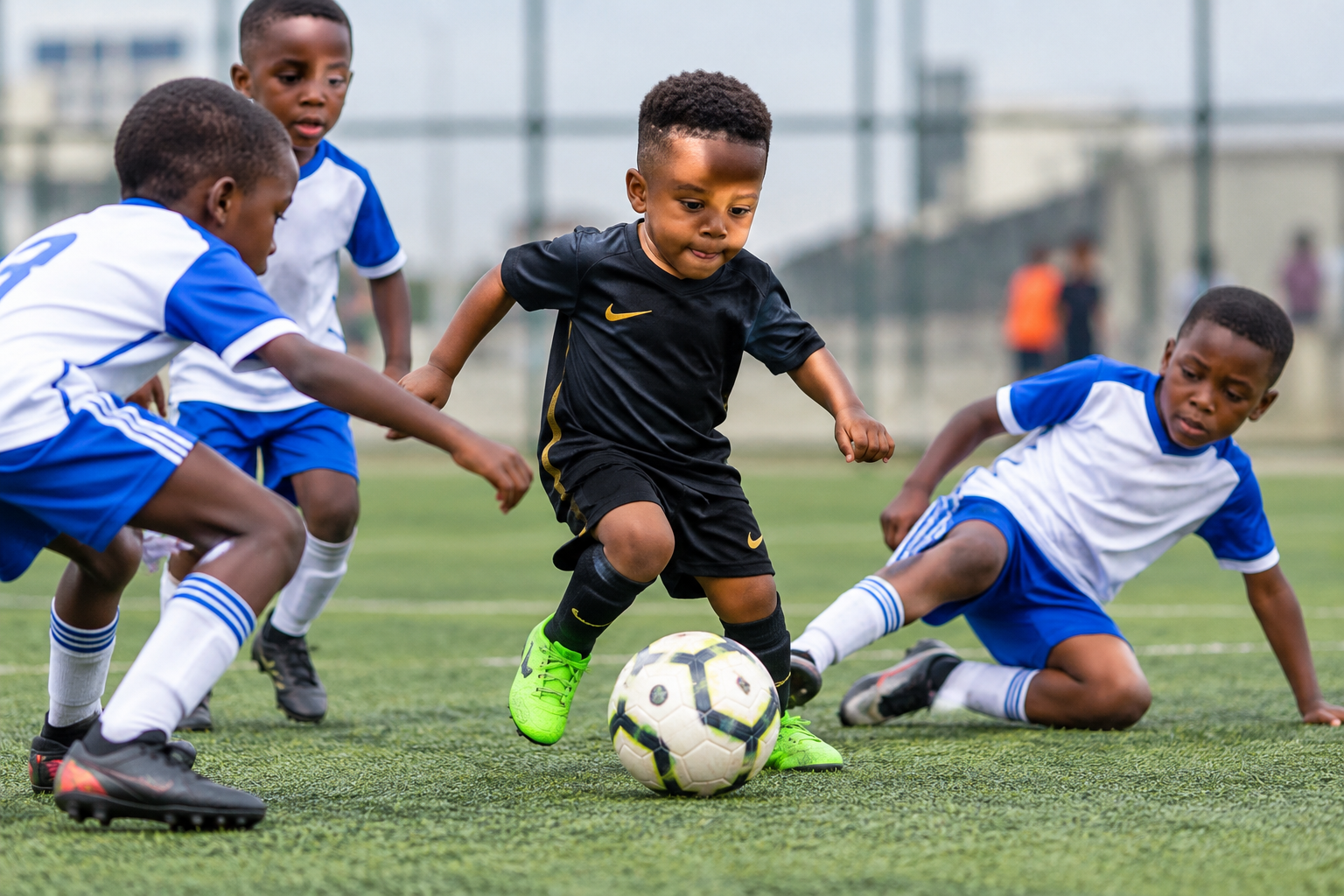
Nevada, who reportedly plays against children as old as five, had attracted attention because of his impressive ability to dribble past opponents, maintain possession, and score goals. According to his mother, Martasia Griffin, the youngster had scored more than 40 goals in five matches. For a child of just three years old, these are remarkable claims, especially considering that he competes against children older than himself.
However, his performances reportedly became a source of disagreement among some parents and league officials. Nevada's parents alleged that their son was being unfairly prevented from playing because other children struggled to compete against him.
The league official, on the other hand, gave a different account. He acknowledged Nevada's exceptional ability but alleged that the youngster pushed other children during matches. He also claimed that the parents had become disruptive over decisions concerning their son's playing time.
Police later clarified that they responded to a disagreement involving adults, not because the child was too talented. No arrests were made, and the family was not forcibly removed from the public park.
Regardless of which account ultimately proves accurate, one thing is clear: a disagreement that should have been handled with understanding and professionalism escalated into a controversy involving a three-year-old child.
And that should concern anyone who genuinely cares about grassroots football development.
The Responsibility of Grassroots Football Coaches
The importance of grassroots coaches cannot be overemphasised. At the developmental stage, a coach is not merely responsible for winning matches. The coach is also responsible for identifying individual strengths, correcting weaknesses, teaching discipline, and creating an environment where children can enjoy football.
Consider a football academy with twenty young players. Among them, one player may be exceptionally good at dribbling, another may possess impressive passing abilities, while another may demonstrate outstanding defensive awareness. Should the coach expect every player to develop at the same pace? Certainly not!
A good grassroots coach should understand that children have different abilities, learning capacities, and developmental needs. For an exceptionally talented player, the coach may consider introducing more challenging exercises, improving decision-making, or allowing the player to participate in suitable training sessions with more advanced players.
However, such decisions should consider the child's physical readiness, emotional maturity, safety, and overall well-being.
The success of a grassroots coach should not be measured solely by the number of matches won, but also by the development of the players under their care.
What Nigerian Football Academies Can Learn From This Incident
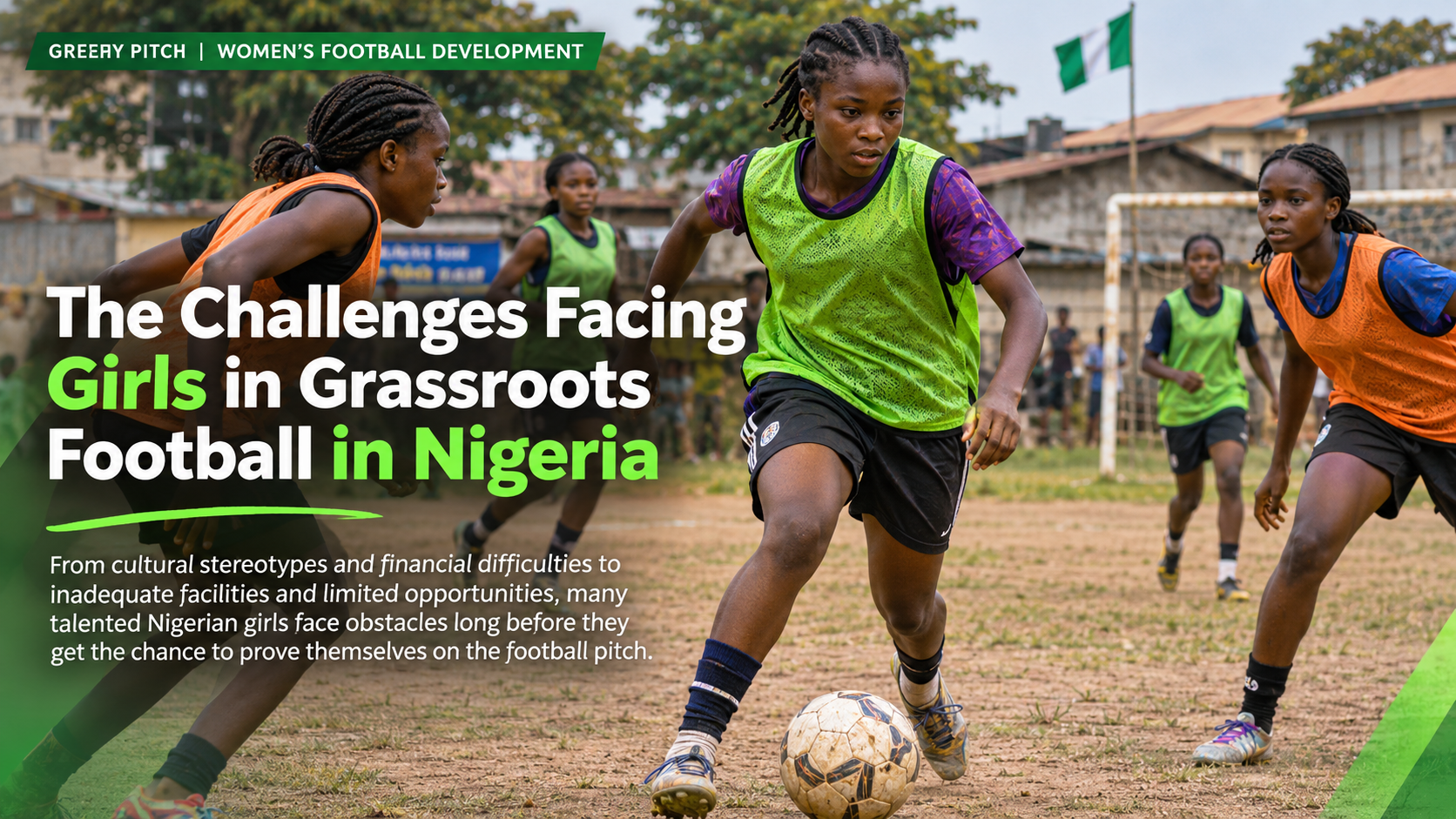
Nigeria is blessed with an abundance of football talent. From the streets of Lagos to the football fields of Ibadan, Abeokuta, Benin City, Enugu, Kano, and other parts of the country, thousands of young footballers dream of playing professionally.
Unfortunately, identifying talent is only one part of football development. Providing the right environment for that talent to flourish is equally important.
There are several lessons Nigerian football academies, coaches, and football administrators can learn from Nevada's story..
Firstly, talent identification should begin with proper observation.
A young player should not be judged only by the number of goals scored or opponents dribbled. Coaches should also assess technical ability, decision-making, coordination, attitude, and willingness to learn.
Secondly, exceptionally talented children should receive appropriate developmental challenges.
If a player consistently dominates his age group, it may be necessary to introduce more advanced training exercises rather than allowing him to remain in an environment where he is no longer being challenged.
Thirdly, football academies must develop clear policies for handling disagreements.
Disagreements between parents, coaches, and academy administrators are sometimes unavoidable. However, they should be resolved through established procedures that prioritise the welfare of children.
Finally, football development must go beyond winning matches and collecting trophies.
A football academy that wins several youth tournaments but fails to develop its players technically, mentally, and socially may not be fulfilling its fundamental responsibility.
For Nigeria to produce more world-class footballers, greater attention must be paid to the quality of grassroots coaching and the environments in which young players develop.
Parents Also Have an Important Role to Play
While coaches and football administrators have significant responsibilities, parents are equally important in the development of young footballers.
When a child displays exceptional abilities, it is understandable for parents to feel proud and want those abilities recognised. However, football development requires patience.
At three years old, a child should primarily be enjoying football, developing basic movement skills, building confidence, and learning how to interact with other children.
Winning matches and scoring goals should not become more important than the child's happiness and overall development.
A Positive Development: Nevada's Talent Attracts Attention
Interestingly, the controversy has also brought a positive opportunity for Nevada.
Former United States international Eddie Johnson has offered to help train the youngster through his EJE7 Soccer Academy in Orlando, Florida.
Johnson expressed his support for the young player and emphasised the importance of creating environments that encourage creativity and individual expression.
Are We Truly Developing Football Talents in Nigeria?
Nevada's story should also make us reflect on the state of grassroots football in Nigeria.
How many exceptionally talented young footballers are currently playing on school fields, community pitches, and streets without access to proper coaching?
How many promising players have lost interest in football because of discouragement, poor management, or a lack of opportunities?
How many football academies genuinely prioritise player development over tournament victories and immediate financial benefits?
These are questions that deserve serious attention.
Football talent alone is not enough to produce a professional footballer. Without proper guidance, discipline, opportunities, and a supportive developmental structure, even the most promising young players may struggle to fulfil their potential.
This is one of the reasons platforms such as Greeny Pitch are important to the football ecosystem.
By helping connect footballers, coaches, academies, scouts, and other stakeholders, we can contribute to an environment where aspiring footballers have greater opportunities to be seen, supported, and developed.
Nevertheless, the responsibility does not belong to one organisation or platform alone.
Parents, coaches, football academies, schools, football associations, and the wider community all have roles to play.
Too Good to Play? The Story of 3-Year-Old Nevada Pierre and the Lessons for Grassroots Football

Opeyemi OyekunleOct 29, 2026 | 6 min read | 387 views